

History of Mudjacking

Concrete Lifting in The 1930’s by Mudjacking
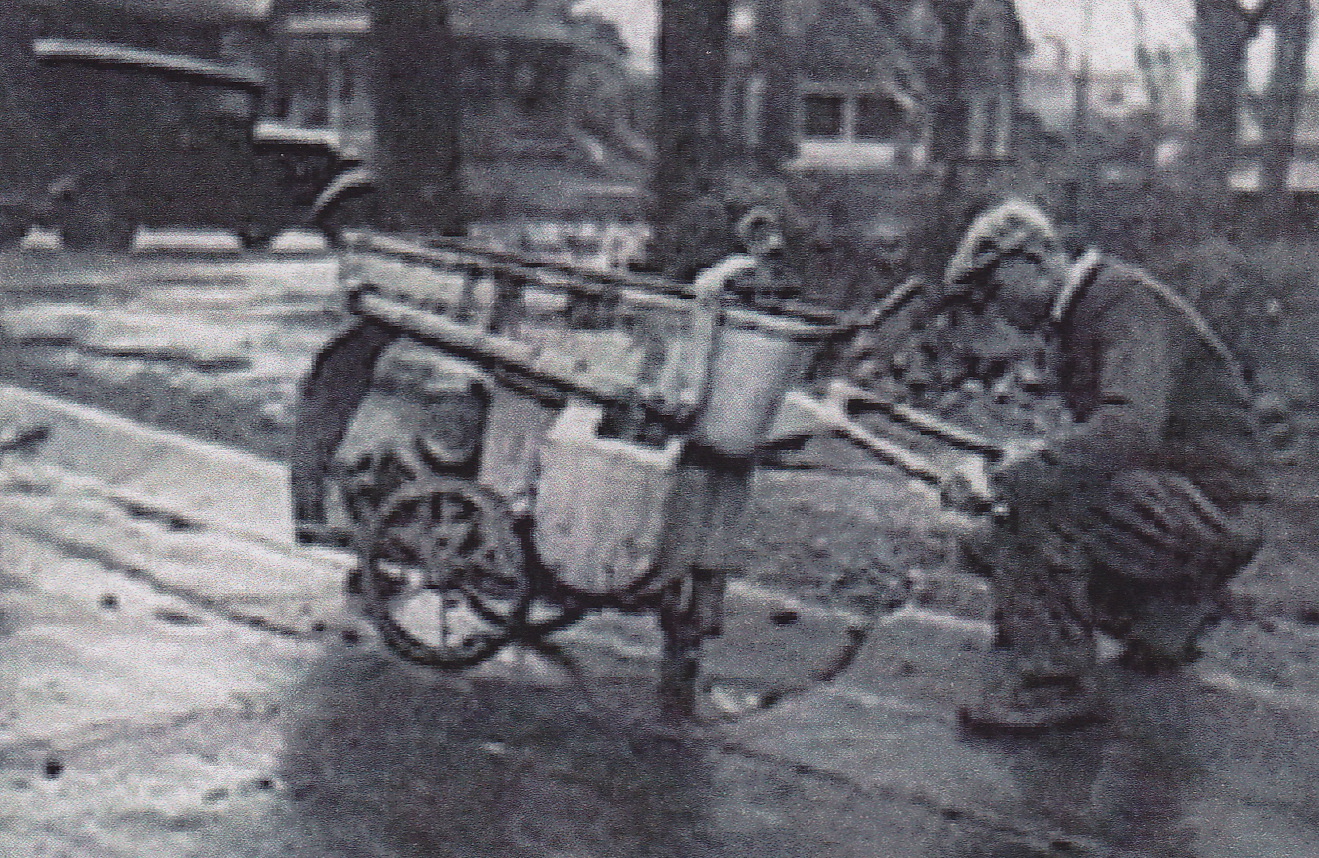
Concrete Lifting in The 1930’s by Mudjacking
Mudjacking also known as Grout Injection, Concrete Lifting, Slabjacking and Concrete Leveling. Mudjacking been around for more than 80 years, since the 1930’s, and is used by the Residential, Commercial and Industrial Sectors across Canada and the United States.
When done properly, it has been proven to be a cost-effective and reliable method of raising sunken concrete back to its proper height and filling the voids.
Ground settlement underneath the concrete determines how long a Concrete Lifting Repair will last. If the distrubed soil is done settling underneath the concrete and water is kept away from going back underneath the concrete then Mudjacking your concrete is a lasting solution. Installer experience and knowledge along with ground settlement has a big factor how long your repair will last. Ground Settlement can take years or decades to fully finish settling depending on ground conditions.
Mudjacking (Grout Injection) Concrete Lifting Method Process
- 1” holes are marked and spaced approx. every 24 inch – 36 inch grid pattern on the concrete pad, depending how the concrete is sunk. Depending the concrete project being lifted and how much the concrete is sunk determines how many rows of holes are put into the concrete to properly raise the concrete and fill the voids.

Hole pattern layout for sunken driveway, 3 rows of holes are put into the driveway to properly raise the concrete and fill the voids. Most top sections of driveways take 3 rows of holes and at minimum 2 rows of holes for driveways with very little settlement. Concrete raises in distances and as you raise the driveway 2-4 inches it raises the entire top section. Why 3 rows of holes are put into the driveway to raise the top section of the drvieway and fill the voids.
- A mix of sand, fine clay and type 10 hydraulic cement is blended together with water, creating a flowable grout mix.
- A hydraulic pump injects the blended grout material underneath the concrete filling the voids, which then raises the concrete to its intended height.
- Voids are filled while raising the concrete and after the concrete reaches its proper height to insure the voids under the concrete pad are properly filled.
- Once finished, the concrete lifting job is then cleaned and washed with a pressure washer.
- The drilled 1 inch holes are then filled and patched with a concrete repair grout.
- Cracks and gaps in concrete should be filled with a rubber base concrete caulking (polyurethane sealant) to seal from water entering and getting underneathe the concrete slab.
Grout Material
- Flowable non-expanding grout mix that is hydraulically pumped.
- Mix design can be changed and controled for less flowability and more flowability.
- Caliber Mudjacking Ltd uses a high quality materials consisting of sand, fine clay and type 10 hydraulic cement mixed with water, creating a high strength grout mix.
Environmentally friendly. - Does not easily erode away, which lasts the life of your concrete pad.
- The sand is mixed with the fine clay and the fine clay content in the grout mix gives the material its structure and allows the grout material to slide under the concrete and the cement content in the grout mix is for added strength.
- Strength in the grout mix can be changed by how much cement is added to the grout mix. High strength grout mix design can be obtained by adding more cement material into the grout mix.
- Soft grout material while being installed and hard material after set up.
- Grout material starts setting up within hours after being installed.
Mudjacking (Grout Injection) Facts
- While installing the grout material to raise the concrete the material will stay soft, this allows the concrete pad to float up to its original height rather than being forced up which can occur with raising concrete with polyurethane foam because foam material set up times are almost instant within 15 mins.
- Floating the concrete up provides less stress on the concrete resulting in less cracks and gives a higher success rate while raising the pad to its original height by allowing the concrete to move lengthways and sideways.
- Grout Materials are non-expanding, making it easier to control the concrete pad when raising and making a better choice to fill voids under concrete with with an non-expanding material.
- Preserves the life of your concrete, eliminates trip spots, solves water problems by providing proper slope and drainage for the concrete pad.
- Mudjacking is approximately 30% to 50% of the cost of ripping out and replacing concrete.
- Fast, clean, and same day service for most residential and smaller commercial jobs.
- Economical solution for many different problems common to Grande Prairie, AB and The Peace Region and can be used for a wide range of jobs and applications.
- Strengthens the concrete pad by raising the concrete to proper height for its intended use and filling the voids, which stabilizes the base underneath the concrete and seals from water.
- Mudjacking is a lasting solution if ground settlement is finished and water is directed away from the pad.
Summary
Large majority of sunken pads need room to move lengthwise and/or sideways to achieve their proper elevation. Raising the concrete pad on a soft layer of grout material allows for the pad to slide one way or the other while it’s being raised. This makes it easier to ensure the pad comes back to its original height without creating numerous cracks in the pad. This is a common problem when raising a concrete pad, and is one of the main benefits to mudjacking.

Mudjacking Equipment
